
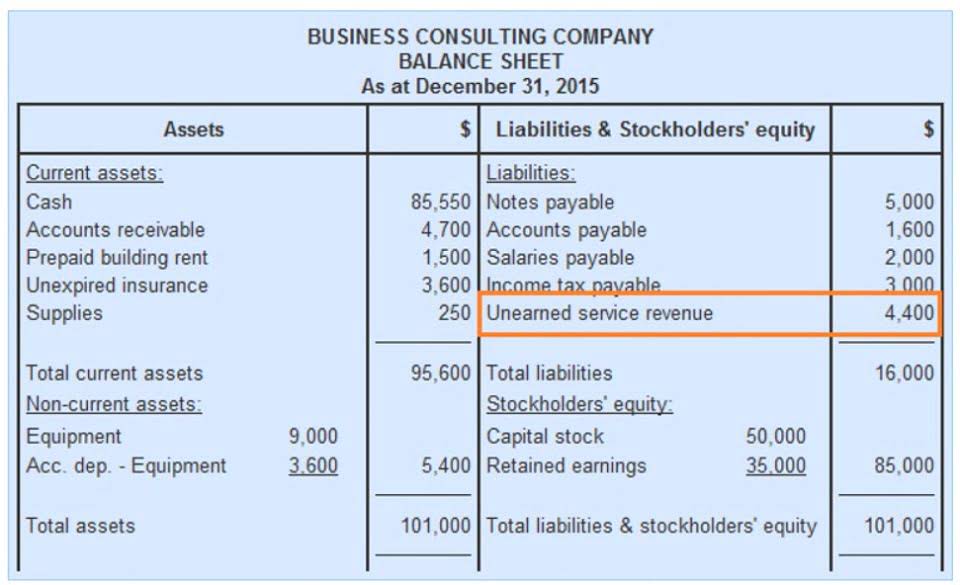
Presenting these totals allows stakeholders to immediately gauge unrestricted net assets the proportion of resources available for general use versus those constrained by donor stipulations. FASB Statement No. 117 established the foundational framework for general-purpose external financial statements issued by not-for-profit organizations (NFPs). The primary objective of this standard was to replace the diverse and often inconsistent reporting practices previously used across the NFP sector. Net assets impact stakeholders such as donors and funders, board members, employees, and volunteers.
Why are net assets important in nonprofit organizations?
It turns out that Todd, our board member who wants to understand the organization’s liquidity, needs to understand the entire balance sheet. However, organizations classified as Voluntary Health and Welfare Organizations (VHWOs) must present a separate financial statement called the Statement of Functional Expenses. This statement presents a AI in Accounting matrix that cross-classifies all natural expenses across all functional categories.

Managing Restricted Funds
By implementing robust financial oversight mechanisms, institutions can ensure transparency and accountability in the allocation and utilization of these funds. Failure to do so not only poses risks to the organization’s financial stability but also undermines its overall governance and credibility. Upholding sound financial management practices is paramount for organizations to fulfill their fiduciary responsibilities and maintain the trust of stakeholders.
What Are the Requirements of FASB Statement No. 117?
But it’s not a term that most non-accountants are familiar with, and there are a few differences in how it’s reported. For example, a nonprofit focused on environmental conservation may seek corporate sponsorships from companies aligned with their mission. By doing so, they not only secure additional funding but also gain access to new networks and potential supporters. Through these funds, the organizations can pay off their current expenses as well as look around for other programs or projects that might exist.
Most Important Financial Statements
These funds can be used at the discretion of the organization’s recording transactions management to support its mission, cover operational expenses, invest in growth opportunities, or build reserves for future needs. To increase your organization’s unrestricted net assets, you’ll need to generate more revenue or reduce expenses. One way to increase revenue is to expand your donor base by conducting a capital campaign or hosting a special event.

Permanently Restricted Net Assets
- If you have assets that exist due to receipts from temporarily restricted net assets campaigns (ex. money raised for a capital campaign), then subtract those next.
- Unrestricted net assets, also known as the operating reserve, represent the cumulative earnings over the life of the organization.
- However, if the organization has accepted a gift restricted by the donor, it has agreed to honor the restrictions.
- To calculate unrestricted net assets, start by calculating the organization’s total net assets.
- This figure represents the total residual value of the organization’s unrestricted resources.
- Stakeholders receive insight into an organization’s financial flexibility by examining Net Assets Without Donor Restrictions on the Statement of Financial Position.
Maintaining a reserve ratio of six to twelve months is cited as a benchmark for financial stability in the non-profit sector. Let’s consider a fictional example to illustrate the concept of unrestricted net assets in a nonprofit organization. Similarly, “net assets with donor restrictions” is the official terminology for restricted net assets. The unrestricted net assets balance is positive when the total historical sum of the unrestricted donations, revenues, and gains are higher than the total historical sum of unrestricted expenses. Unrestricted net assets are the asset (current and/or fixed) donations made to not-for-profit organizations (NPOs). The assets are “unrestricted” because they can be used for general expenditures or any other operational purpose(s), i.e., the donor didn’t specify where or how their donation(s) are to be used.

Unrestricted net assets are an essential component of a nonprofit’s financial health as they provide flexibility and stability in managing day-to-day operations and pursuing long-term goals. They serve as a safety net that allows the organization to respond to unforeseen challenges and seize opportunities for growth. Nonprofit organizations play a crucial role in society, addressing various needs that contribute to the public good such as education, health, social services, and cultural preservation.